How Old Can a Roof Be Before Insurance Says It's Too Old in California?
As of October 2026, California has no single roof age limit. Each insurer sets its own. Many start to squeeze asphalt shingle roofs at 15 to 20 years and some refuse roofs over 25, but tile is often judged on its own terms. Starting January 1, 2028, a new law says an insurer cannot refuse to issue or renew a policy only because of roof age if an independent inspection shows at least five years of life left (SB 1301, Insurance Code 676.14).
Skip to the Answer
- No state cutoff exists today. The age rule is in your insurer's underwriting guide, not in the law.
- Shingle roofs hit the wall first. A review of the 20 biggest California home insurers found 15 and 25 year rules, with tile and slate often spared.
- An old roof often keeps coverage but gets paid at actual cash value, which means age is taken off the check.
- A nonrenewal notice must come at least 75 days before your policy ends and must say why.
- From 2028, a roof inspection showing five or more years of life left can keep age alone from costing you your policy.
- The FAIR Plan only offers replacement cost on a home over 25 years old if the roof was updated in the last 25 years.
No State Roof Age Limit Exists Yet
We look at a lot of tired roofs in Ontario, and the question we hear most after a homeowner opens a renewal letter is simple. How old is too old? The answer is that it depends on the company, not the state.
In May 2026, Insurance Business reported on a review of the underwriting rules filed by the 20 largest home insurers in California, which wrote 90 percent of the state's homeowners premiums in 2024 (Insurance Business, May 26, 2026). The rules were all over the map. Mercury and Wawanesa generally will not insure a home with a roof older than 25 years, but tile and slate roofs are the exception. Farmers may limit asphalt roofs older than 15 years to actual cash value instead of full replacement cost. Many carriers will not take wood shake at all, and many want flat roofs to have enough slope to drain.
So a 22 year old shingle roof can be fine with one company and a deal breaker with the next. That is why the same street in Ontario can have one neighbor who renewed with no trouble and another who got a letter.
Most insurers look at two things. The age of the roof, and what it looks like. Age comes from your application, permit records or the year the house was built. Condition now often comes from aerial photos, and the same article noted a bill to regulate how insurers use aerial and satellite images (Insurance Business).
Why Tile and Shingle Roofs Get Treated Differently
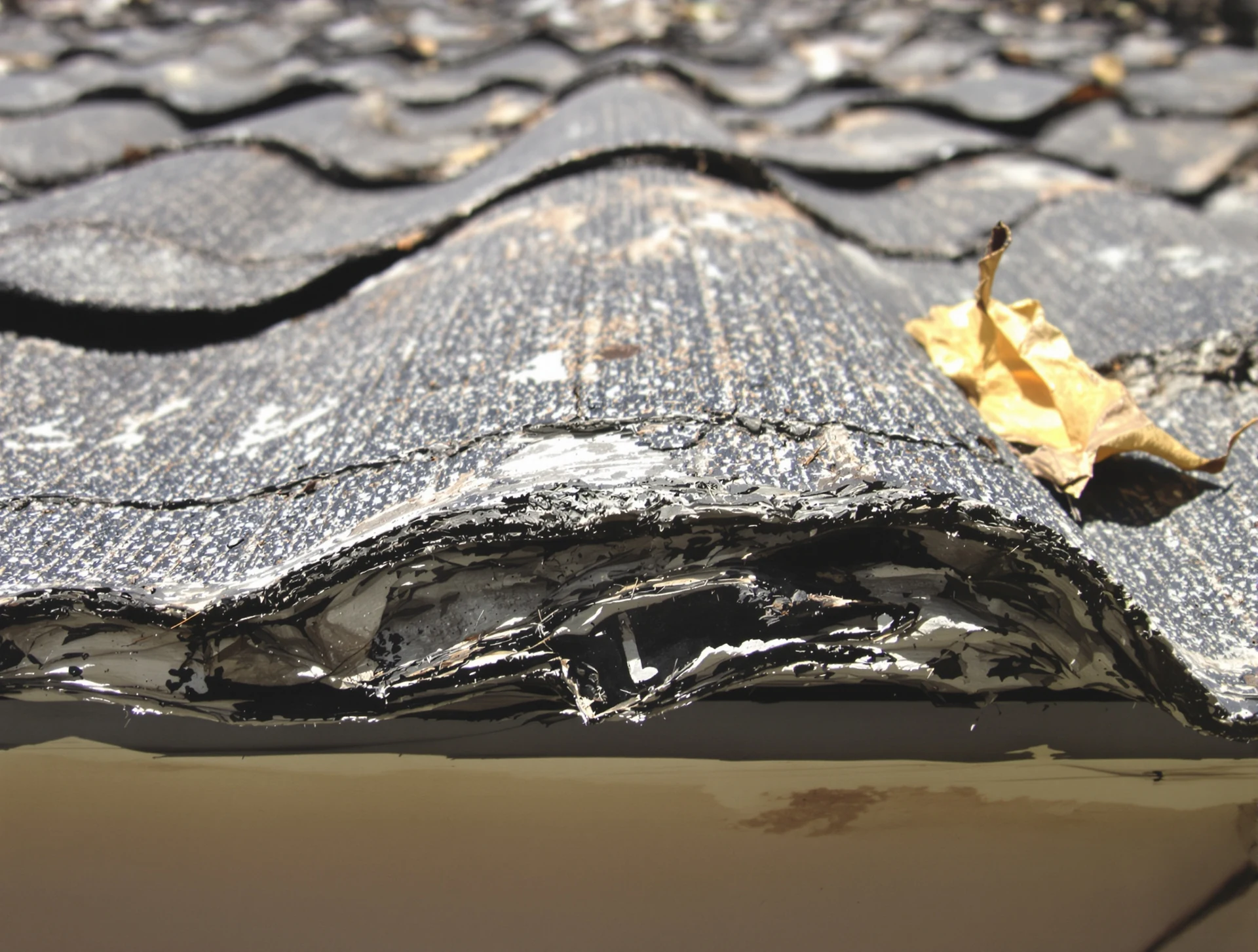
The InterNACHI life expectancy chart for home inspectors lists a 3 tab asphalt shingle roof at about 20 years, an architectural shingle at about 30, and clay or concrete tile at 100 years or more (InterNACHI chart). Those are guides for normal wear, not promises. Insurers know the gap, which is why some of them carve out tile from their age rules.
On a tile roof in the Inland Empire, the catch is the paper. The tile can last a lifetime, but the paper under it does not. On the tract homes built in Ontario, Rancho Cucamonga, Chino and Eastvale in the 1980s, 1990s and 2000s, we often find tile that looks fine from the street and underlayment that is dried out and torn. An aerial photo cannot see that. A leak from worn out paper is wear, and wear is the kind of damage home policies usually do not pay for.
Older shingle ranch homes near downtown Ontario, Montclair, Upland and Pomona are the ones that run into age rules first. Hot dry summers and strong sun bake shingles, and a 20 year old shingle roof here often shows its age in curled edges and lost grit.
Wood shake is its own problem. The California Department of Insurance lists a Class A fire rated roof as a wildfire safety step and says wood shake shingles are not Class A rated, while asphalt shingle, concrete or clay tile and metal mostly qualify (CDI Safer from Wildfires). If you still have shake, expect trouble with most carriers no matter its age.
| Roof Type | Typical Life | What Insurers Tend to Do | What We See in Ontario |
|---|---|---|---|
| 3 tab asphalt shingle | About 20 years | Some move it to actual cash value after 15 years. Some refuse it past 25. | Older ranch homes, garages and patio rooms |
| Architectural shingle | About 30 years | Same age rules as other asphalt at many carriers | Common on reroofed 1950s and 1960s ranch homes |
| Concrete or clay tile | 100 years or more for the tile | Often exempt from 25 year rules at some carriers | Most 1980s to 2000s tract homes. The paper under it is the weak spot. |
| Wood shake | About 25 years | Many carriers will not insure it. Not Class A fire rated. | Ask about it before you buy a home that still has one |
| Flat or low slope | 7 to 30 years by membrane | Many want a minimum slope. One Lemonade entity will not cover flat roofs. | Additions, patio covers and commercial buildings |
Replacement Cost vs Actual Cash Value on an Old Roof
Losing your policy is the worst case. The more common case is quieter. The insurer keeps you but changes how it pays for the roof, and you only find out when you file a claim.
Replacement cost pays what it costs to repair or replace the damage without taking anything off for age. Actual cash value takes depreciation off first. California law says that when a policy requires you to rebuild to collect full replacement cost, the insurer pays actual cash value first and then the rest once the work is done (Insurance Code 2051.5). The same law gives you at least 12 months from the first payment to collect the rest, or at least 36 months for a loss tied to a declared state of emergency.
Say a storm damages a roof that would cost $20,000 to replace, and the insurer judges that roof to be 80 percent used up. On replacement cost you collect about $20,000 minus your deductible. On actual cash value you collect about $4,000 minus your deductible. Same roof, same storm, a very different check.
Read your renewal for words like roof surfacing, roof payment schedule, actual cash value roof, or a separate wind and hail deductible. Insurance Code 678 requires a renewal offer to spell out any reduction of limits or coverage that is being removed (Insurance Code 678). If you see one of those changes, ask your agent what it means in dollars for your roof before the policy starts.
Your Rights Today If You Get a Nonrenewal
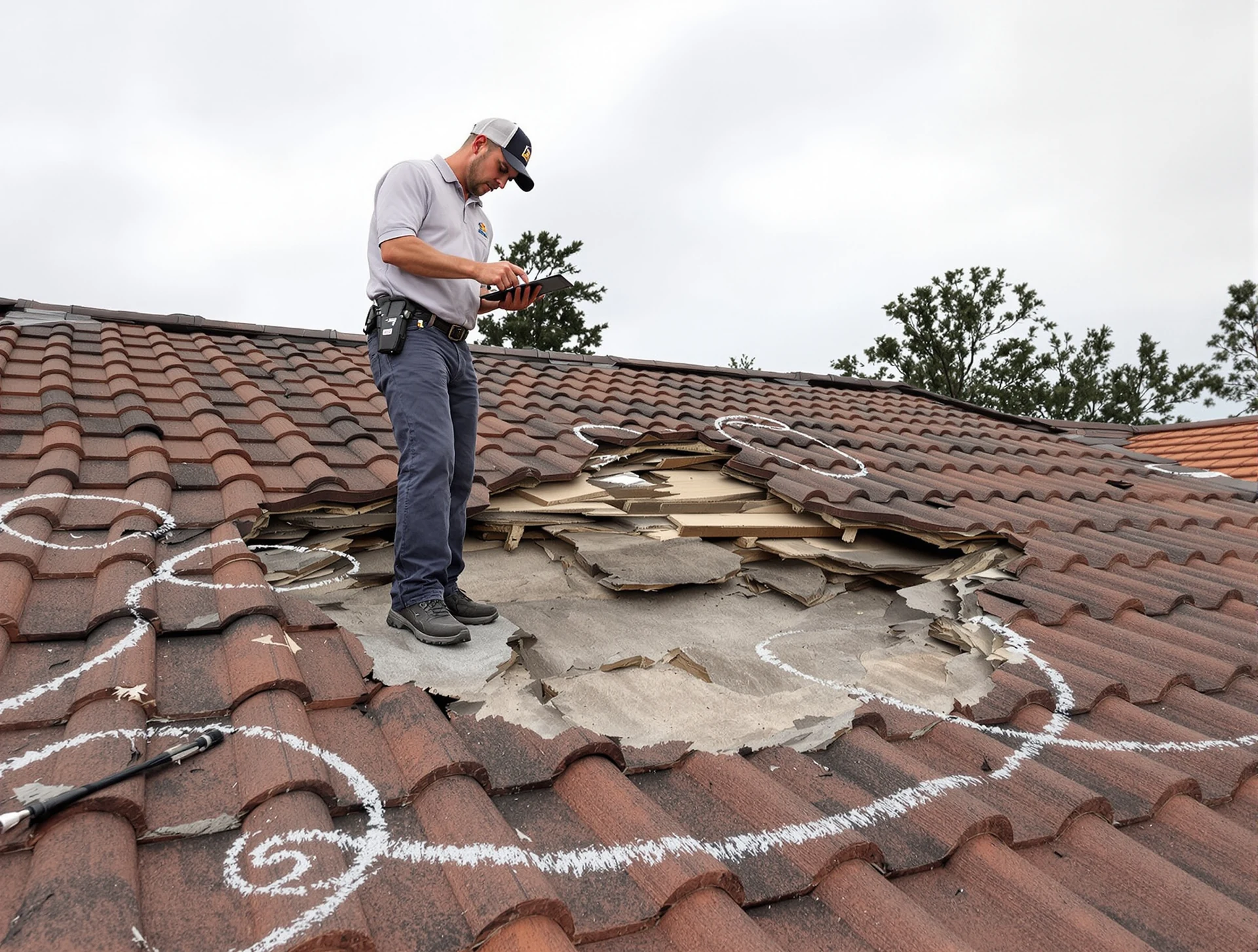
Under the law in force as of October 2026, an insurer that will not renew your home policy has to send the notice at least 75 days before the policy ends (Insurance Code 678). The notice must give the specific reason or reasons, a phone number for the company, and a statement that you can ask the Department of Insurance to review it. CDI can be reached at (800) 927-HELP (4357) or insurance.ca.gov.
If the insurer misses the 75 day deadline, your current policy stays in force with no changes for 75 days from the day the notice was sent (Insurance Code 678). Check the postmark and your policy end date the day the letter arrives.
When the reason is your roof, call the company and ask exactly what it saw and what would change its mind. Sometimes a repair or a written roof report is enough. Sometimes the answer is a new roof or a new company. Either way, start shopping right away, because a new policy can take time to line up.
What Changes on January 1, 2028
On September 27, 2026, Governor Newsom signed SB 1301 into law (SB 1301 bill text). Most of it starts January 1, 2028. It does not help with a letter you get this year, but it is worth knowing now.
The roof age rule. An insurer may not refuse to issue or renew a home policy, or decide you are not eligible, solely because of the age of the roof if you get and pay for an independent roof inspection that confirms at least five years of useful life left. The law also says insurers can still take roof age into account. So age can still affect your price and terms. It just cannot be the only reason you get turned away when a report backs up the roof.
More notice and a chance to fix it. The nonrenewal notice moves from 75 days to 90 days. If the problem is something you can fix, like a worn roof, the insurer must send notice at least 120 days before the policy ends, explain what would qualify you to renew, and give you at least 90 days to do the work or send proof (SB 1301).
You get to see the evidence. The insurer must give a plain language reason and the nonaerial images (photos not taken from the air) it relied on, and must hand over any inspection reports it used within 15 days of your request (SB 1301). If an aerial photo got your roof wrong, that is your opening.
Roof Age and Your Policy in Numbers
If You End Up on the FAIR Plan
The California FAIR Plan is the fallback for homes that cannot get a regular policy. The Department of Insurance describes it as a limited fire policy with limits up to $3 million per location for homes, and says you need a separate Difference in Conditions policy for things like water damage, liability and theft until a fuller FAIR Plan option is finished (CDI FAIR Plan page).
The roof matters here too. The FAIR Plan's replacement cost addendum, still posted on its site in October 2026, says a home built more than 25 years ago is not eligible for dwelling replacement cost unless the roof was updated in the last 25 years (FAIR Plan form CFP-RCAD-2). The form asks for the year the roof was updated or replaced. Any Ontario home built before 2001 is past 25 years old now, which covers most of the 1980s and 1990s tile tracts. If your roof is original, you may only be able to buy actual cash value coverage on the house.
CDI also says FAIR Plan homeowners can get a discount on the wildfire part of the premium for hardening the home (CDI FAIR Plan page), and a Class A roof is one of the listed steps (CDI Safer from Wildfires).
What a Roof Inspection or Certification Does for Insurance
A roof inspection does not make an old roof new. What it does is replace a guess with facts. The insurer may only know the year the house was built and what a photo from the air shows. A written report with photos shows the real condition, the remaining life and what was fixed.
That matters most for tile. A 30 year old tile roof with a new underlayment re-lay is a very different risk from a 30 year old tile roof with the original paper, and the year built on your application does not show the difference. Keep the invoice, the permit and photos from any re-lay or replacement. That is your proof of when the roof was updated.
A roof inspection with a written report is also the kind of document the 2028 law has in mind. The law says independent and paid for by you, and it does not spell out who counts, so ask your insurer what kind of report it will accept before you book one.
Before Your Next Renewal
- Find the year your roof was last replaced or re-laid. Look for the invoice, the permit or the escrow papers.
- Read the renewal offer for actual cash value roof wording, a roof payment schedule or a new wind and hail deductible.
- If a nonrenewal letter arrives, check that it came at least 75 days before the policy end date and that it lists a specific reason.
- Call the insurer and ask what it saw and what would let you renew. Ask whether a roof report would change the answer.
- Get a roof inspection with photos if the roof is the reason. Fix what the report flags.
- Start shopping other companies and ask an agent about the FAIR Plan plus a Difference in Conditions policy as a backup.
- If you still disagree, ask the California Department of Insurance to review it at (800) 927-4357.
Repair, Re-Lay or Replace Before Renewal?
If the roof is sound and only a few spots are worn, a repair and a clean report is the cheapest way to keep your policy. If it is a tile roof with tired paper, a tile underlayment re-lay reuses your tile and resets the clock on the part that actually leaks. If it is an old shingle roof past 20 years with curling and bald spots, a full roof replacement is often the move that fixes both the leaks and the insurance problem.
Do not let a renewal deadline rush you into signing with the first door knocker. Get the insurer's reason in writing, get a real look at the roof, and then decide. If you want a written estimate and photos of what your roof actually needs, call Ontario Roofing at (909) 404-9464. The phone is answered 24 hours.
People Also Wonder
Can my insurance company drop me because of my roof age in California?
Yes, today it can. As of October 2026 no California law bars a nonrenewal based on roof age, as long as the insurer gives at least 75 days notice with the specific reason. Starting January 1, 2028, an insurer cannot refuse to renew solely because of roof age if you get an independent inspection showing at least five years of life left (SB 1301).
Will insurance cover a 30 year old roof replacement?
Only if the damage comes from a covered event like wind, and even then an old roof is often paid at actual cash value, so age is taken off the check. Wear and old age are usually not covered at all. Many insurers will not write a new policy on a 30 year old shingle roof, while some treat tile more kindly (Insurance Business).
What is the actual cash value of a 15 year old roof?
It depends on how long the insurer expects that roof to last. For example, a roof with a 20 year life that is 15 years old is about 75 percent used, so a $20,000 replacement might pay about $5,000 before the deductible on actual cash value. Your adjuster's depreciation schedule sets the real number.
Is a 30 year old tile roof too old for insurance?
Not always. Some large California insurers exempt tile from their 25 year roof rules (Insurance Business). The tile itself can last a very long time, but the underlayment under it usually needs replacing well before that. A report showing new or sound underlayment helps your case.
Does a new roof lower my insurance in California?
It can help. A newer roof clears age rules, may restore replacement cost coverage, and a Class A fire rated roof is one of the steps in California's Safer from Wildfires program, which CDI says qualifies for a discount (CDI Safer from Wildfires). The size of any discount depends on your insurer.
Does the FAIR Plan care how old my roof is?
For replacement cost, yes. The FAIR Plan's replacement cost form says a home built more than 25 years ago is not eligible unless the roof was updated in the last 25 years (FAIR Plan form). Without it, the dwelling is covered at actual cash value.
Further Proof
- California Legislature: SB 1301, Residential Property Insurance Nonrenewals (bill text, approved September 27, 2026)
- California Legislature: Insurance Code Section 678
- California Legislature: Insurance Code Section 2051.5
- California Department of Insurance: California FAIR Plan
- California Department of Insurance: Safer from Wildfires
- California FAIR Plan: Optional Dwelling Replacement Cost Addendum (CFP-RCAD-2, rev. 08 2016)
- Insurance Business: California insurers tighten roof coverage rules (May 26, 2026)
- InterNACHI: Standard Estimated Life Expectancy Chart for Homes
Want more roof advice from us when you search Google?
Like this? Add Ontario Roofing to your Google sourcesNext Moves
We do this work in Ontario, Rancho Cucamonga, Upland, Chino, Chino Hills, Fontana, Montclair, Eastvale, Pomona, Claremont. See every service.
Where to Find Ontario Roofing
4335 E Lowell St Ste G, Ontario, CA 91761
Get a Free Roof Estimate
Tell us what your roof is doing. We look, take photos and give you a written price.